
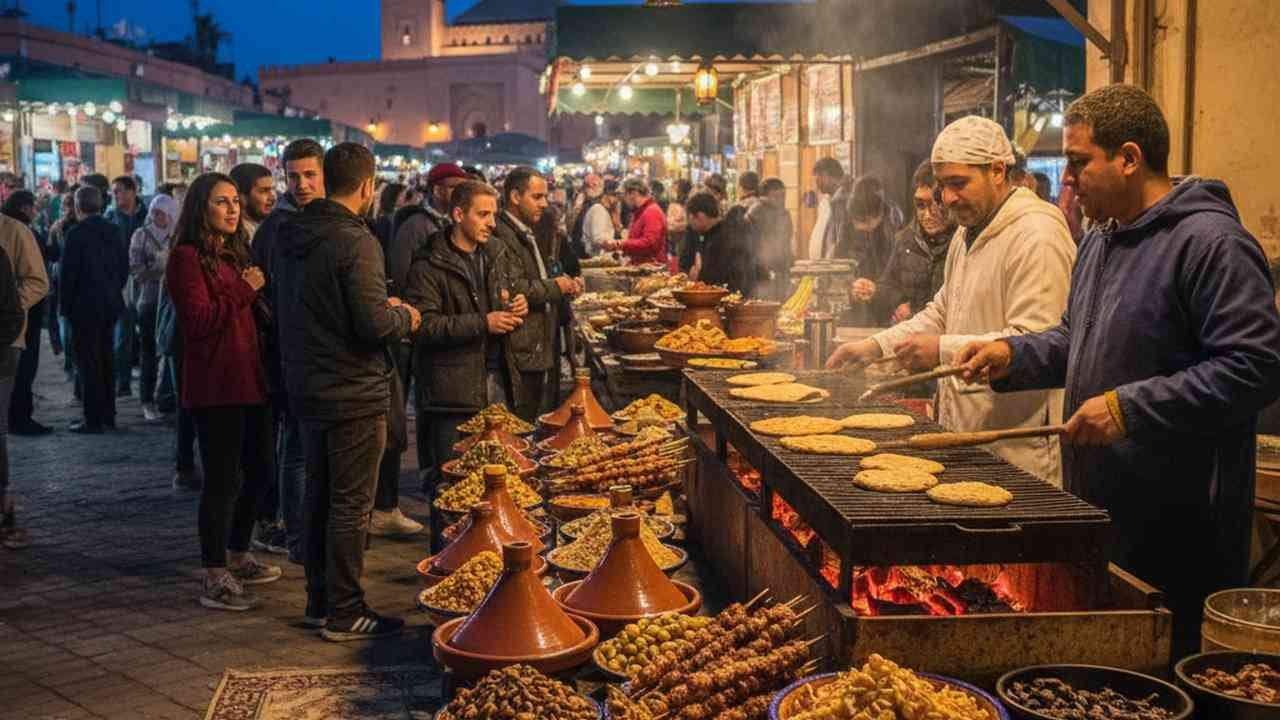
Imagine stepping into a bustling street market where the air is thick with the aroma of sizzling spices and freshly baked bread. Picture yourself sitting at a rustic wooden table, sharing a meal with locals who treat you like family. Culinary travel isn’t just about tasting new foods; it’s about immersing yourself in the heart of a culture, understanding its history, and creating memories that linger long after the last bite. If you’re yearning for an authentic experience that tantalizes your taste buds and enriches your soul, these destinations should be at the top of your list.
1. Mexico City: A Feast for the Senses
In Mexico City, every corner offers a new culinary adventure. From the vibrant street vendors selling tacos al pastor to the elegant restaurants serving refined mole dishes, the city’s food scene is a tapestry of flavors, colors, and textures. The bustling markets, like Mercado de la Merced, are a sensory overload – piles of ripe mangoes, vibrant chilies, and the intoxicating scent of roasting meats fill the air. Participating in a cooking class here allows you to learn the art of making tortillas by hand and crafting salsas that pack a punch. The rich history of Mexican cuisine is deeply rooted in indigenous traditions, and experiencing it firsthand provides a profound connection to the culture.
2. Kyoto, Japan: The Art of Kaiseki
Kyoto, with its serene temples and traditional tea houses, offers a culinary experience that is as much about aesthetics as it is about taste. Kaiseki, the traditional multi-course Japanese dinner, is a delicate balance of seasonal ingredients, artful presentation, and harmonious flavors. Dining in Kyoto is an immersive experience – each dish tells a story, and every bite is a moment of mindfulness. Participating in a tea ceremony, where the preparation and consumption of matcha are elevated to an art form, further deepens your appreciation for Japanese culinary traditions. The meticulous attention to detail and reverence for nature in Kyoto’s cuisine reflect the city’s broader cultural values.
3. Marrakech, Morocco: Spices and Souks
The labyrinthine streets of Marrakech’s medina lead you to a world where spices reign supreme. The souks are alive with the vibrant colors of saffron, cumin, and paprika, and the air is filled with the tantalizing aromas of tagines simmering over open flames. Participating in a cooking class here allows you to learn the secrets of Moroccan cuisine – how to blend spices to create complex flavors and how to cook in a traditional clay pot. Dining in a riad, a traditional Moroccan house with an interior garden, offers an intimate setting to savor dishes like pastilla and couscous. The culinary experiences in Marrakech are deeply intertwined with the city’s rich history and cultural heritage.
4. Florence, Italy: A Taste of Tuscany
Florence, the cradle of the Renaissance, offers a culinary journey that celebrates simplicity and quality. Tuscan cuisine is rooted in the use of fresh, local ingredients – think ripe tomatoes, fragrant basil, and robust olive oil. Visiting a local vineyard allows you to taste wines that have been produced for centuries, and participating in a cooking class lets you master the art of making pasta from scratch. The city’s trattorias serve dishes like ribollita and bistecca alla fiorentina, each bite a reflection of the region’s agricultural traditions. Florence’s culinary scene is a testament to the Italian philosophy of “cucina povera,” or “poor kitchen,” which emphasizes making the most of humble ingredients.
5. Bangkok, Thailand: Street Food Paradise
Bangkok’s streets are a vibrant tapestry of food stalls, each offering a unique dish that tells the story of the city’s diverse culinary influences. From the sweet and spicy flavors of pad thai to the rich, aromatic curries, the city’s street food scene is a microcosm of Thai culture. Visiting local markets like Chatuchak and Yaowarat allows you to sample a variety of dishes, each with its own distinct flavor profile. Participating in a cooking class here teaches you the balance of flavors that define Thai cuisine – sweet, salty, sour, and spicy. The communal nature of Thai dining, where dishes are shared among friends and family, reflects the importance of community in Thai culture.
6. Barcelona, Spain: Tapas and Traditions
Barcelona’s culinary scene is a vibrant blend of Catalan traditions and modern innovations. The city’s tapas bars offer a variety of small dishes, from patatas bravas to jamón ibérico, each bursting with flavor. Visiting the Mercat de Sant Josep de la Boqueria allows you to experience the hustle and bustle of a traditional Spanish market, where fresh seafood, cured meats, and artisan cheeses are displayed in abundance. Participating in a cooking class here lets you learn the art of making paella and other regional specialties. The communal nature of tapas dining encourages social interaction, reflecting the Spanish value of community and shared experiences.
7. Hanoi, Vietnam: A Symphony of Flavors
Hanoi’s streets are a symphony of sounds and smells, where the sizzle of banh xeo (Vietnamese pancakes) and the fragrance of pho broth fill the air. The city’s food scene is a reflection of its rich history and cultural influences, blending indigenous ingredients with French colonial techniques. Visiting local markets like Dong Xuan offers a glimpse into the daily life of Hanoi’s residents, with vendors selling everything from fresh herbs to handcrafted pottery. Participating in a cooking class here teaches you how to balance the five fundamental flavors of Vietnamese cuisine – sweet, sour, salty, bitter, and umami. Dining in Hanoi is an immersive experience that connects you to the city’s past and present.
8. Istanbul, Turkey: A Fusion of Flavors
Istanbul, straddling two continents, offers a culinary experience that is a fusion of Eastern and Western influences. The city’s food scene reflects its rich history as a crossroads of civilizations, with dishes that blend Middle Eastern spices, Central Asian ingredients, and Mediterranean techniques. Visiting the Grand Bazaar allows you to sample a variety of Turkish delights, from baklava to simit, and to shop for spices and herbs that are integral to Turkish cuisine. Participating in a cooking class here teaches you how to prepare dishes like kebabs and mezes, and how to brew the perfect cup of Turkish coffee. The culinary traditions of Istanbul are a testament to the city’s diverse cultural heritage.
9. Oaxaca, Mexico: The Land of Mole
Oaxaca is often referred to as the culinary capital of Mexico, and for good reason. The region is renowned for its complex and flavorful moles, rich sauces made from a blend of ingredients like chilies, chocolate, and spices. Visiting local markets like Mercado 20 de Noviembre allows you to see the variety of ingredients that go into these sauces and to sample dishes that showcase their depth of flavor. Participating in a cooking class here teaches you the art of making mole from scratch, a process that is both time-consuming and deeply rewarding. Dining in Oaxaca is an opportunity to connect with the region’s indigenous Zapotec and Mixtec cultures through their culinary traditions.
10. Marrakech, Morocco: A Journey Through Spices
Marrakech’s medina is a sensory overload, where the air is filled with the intoxicating aromas of spices like cumin, coriander, and cinnamon. The city’s food scene is a reflection of its rich history as a trading hub, with influences from Arab, Berber, and French cuisines. Visiting local spice markets allows you to see the variety of spices that are integral to Moroccan cooking and to learn about their medicinal and culinary uses. Participating in a cooking class here teaches you how to blend spices to create complex flavors and how to cook traditional dishes like tagine and couscous. Dining in Marrakech is an immersive experience that connects you to the city’s cultural heritage.
