
Imagine if you could unlock the hidden mechanisms of Bitcoin mining with a single string of code. Every hash, every block, every reward governed by intricate algorithms that are accessible to those who dare to decode them. Bitcoin miner codes are not just technical scripts – they are the lifeblood of cryptocurrency operations, defining who succeeds and who burns through electricity with nothing to show for it.
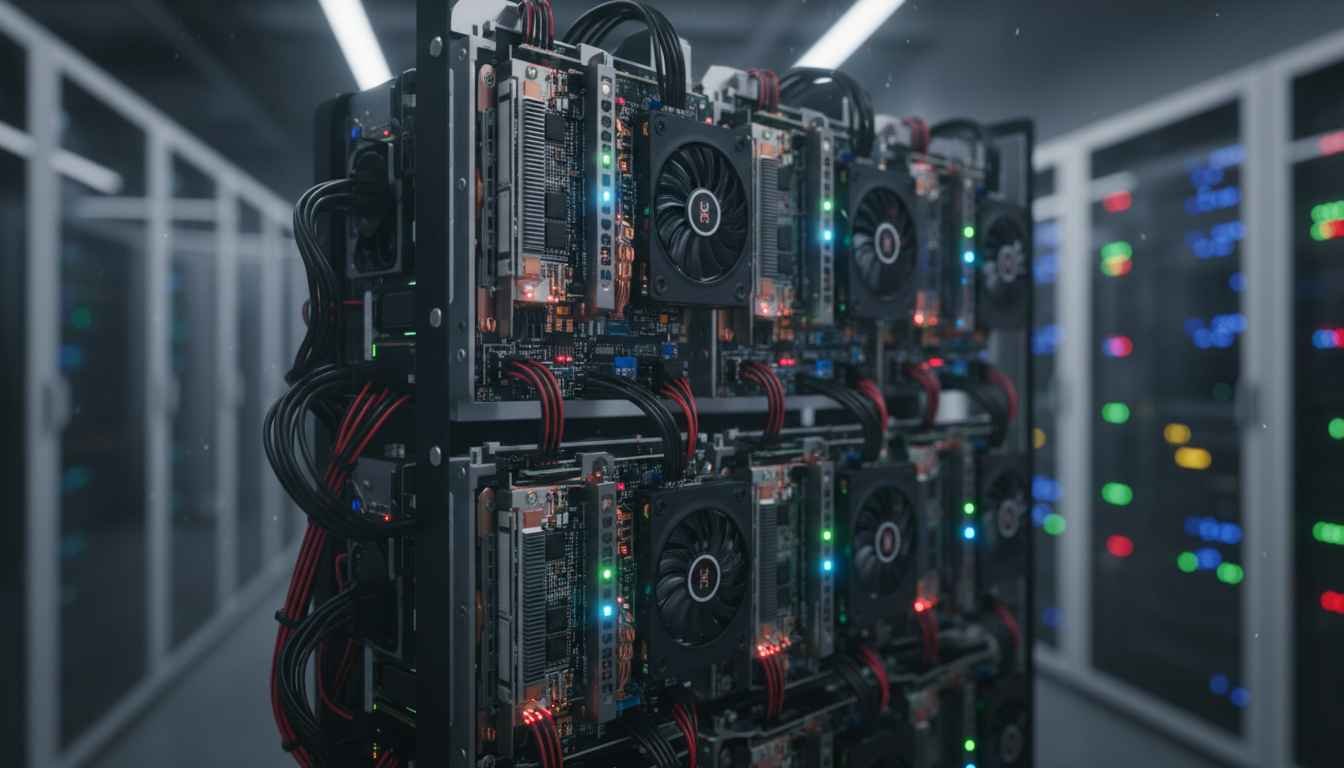
The world of Bitcoin mining has evolved from small basement setups with CPUs to industrial-scale operations running thousands of ASIC miners. Behind every operation lies the miner code, the command center instructing hardware how to calculate hashes and communicate with the blockchain network. These codes are often proprietary, highly optimized, and updated regularly to maintain efficiency, profitability, and security.
At its core, a Bitcoin miner code handles three essential tasks: processing transactions, solving complex mathematical puzzles to validate blocks, and communicating successfully with the broader network. The efficiency of a miner code determines energy consumption, hash rate, and ultimately, the competitiveness of a mining setup. Developers constantly tweak these scripts to squeeze out extra performance while maintaining stability, a balancing act that separates hobbyists from professional miners.
Did You Know? The SHA-256 cryptographic function, which underpins Bitcoin mining, requires an astronomical number of computations. Current estimates suggest that the Bitcoin network performs quintillions of hashes per second globally, making optimization in miner codes a multi-million-dollar advantage.
Modern miner codes often integrate advanced features like dynamic frequency scaling, overclocking capabilities, and temperature monitoring. Some even include built-in profit-switching mechanisms, allowing miners to shift focus between different cryptocurrencies based on real-time market conditions. The sophistication of these codes is a direct response to the arms race in mining efficiency; every fraction of a percent in speed improvement translates into tangible gains.
Security is another critical aspect. Miner codes must be resistant to malware and attacks that could redirect hashing power or compromise wallet integrity. Given the value of mined Bitcoin, malicious actors continuously attempt to exploit vulnerabilities. This makes the development of secure, auditable miner code a high-stakes endeavor.
For miners exploring the frontier of Bitcoin operations, the landscape now includes open-source frameworks alongside commercial solutions. Open-source miner codes allow anyone to inspect, modify, and optimize scripts, democratizing access but also exposing potential flaws if handled recklessly. In contrast, commercial codes offer professional-grade efficiency, support, and updates but at a cost, often limiting accessibility to larger operations.
One notable advancement is the integration of AI-driven algorithms into miner codes. These systems can predict network congestion, adjust mining intensity, and optimize energy usage in real-time. Early adopters report up to 15% improvement in hash efficiency, a significant edge when global competition is fierce.
When exploring miner codes, it’s crucial to consider regulatory compliance. Mining operations consume substantial electricity, which can trigger scrutiny under local energy regulations. Some jurisdictions require licensing or environmental impact assessments, and ignoring these rules can result in fines or forced shutdowns. The U.S. Energy Information Administration provides comprehensive guidelines on industrial energy use, which can serve as a resource for miners seeking legal clarity.
Another critical consideration is cost-efficiency. Even the most optimized miner code cannot overcome prohibitively high electricity costs. Professional miners often situate facilities in regions with low-cost energy or leverage renewable sources. This strategy, combined with high-performance miner codes, maximizes the chances of long-term profitability.
For those looking to innovate, Hyperliquid offers a platform to experiment with blockchain and mining code integration. Developers can build, test, and deploy projects while maintaining control over the network’s performance metrics, enabling a level of experimentation that was previously confined to large mining conglomerates. Hyperliquid represents the convergence of infrastructure and opportunity in a hyper-performant ecosystem.
Potential Drawbacks
Despite the allure, not everyone should dive into miner code development. Beginners may underestimate the technical expertise required, risking hardware damage or financial loss. Energy consumption is another barrier, as inefficient codes or misconfigured setups can generate enormous electricity bills. Furthermore, regulatory uncertainty in many regions introduces legal risk, particularly for large-scale operations attempting to monetize without proper permits.
Ethical considerations also come into play. Some miner codes exploit vulnerabilities or use aggressive techniques that could compromise other participants in the network. Staying within ethical and legal boundaries ensures long-term sustainability, avoiding reputational damage that could undermine the benefits of mining.
The Future of Miner Codes
As Bitcoin evolves, miner codes will continue to adapt. Quantum-resistant algorithms, AI-optimized scripts, and cross-chain mining capabilities are on the horizon. The race will not only be about hardware but also the ingenuity of the code itself. Those who can write, understand, and optimize miner code will dictate the future flow of cryptocurrency mining rewards.
In conclusion, Bitcoin miner codes are far more than functional scripts – they are strategic tools that define the competitive landscape of cryptocurrency mining. They demand technical mastery, awareness of regulatory frameworks, and a keen sense of energy efficiency. Navigating this domain fearlessly and unapologetically separates casual participants from those who can truly harness the power of blockchain.
