
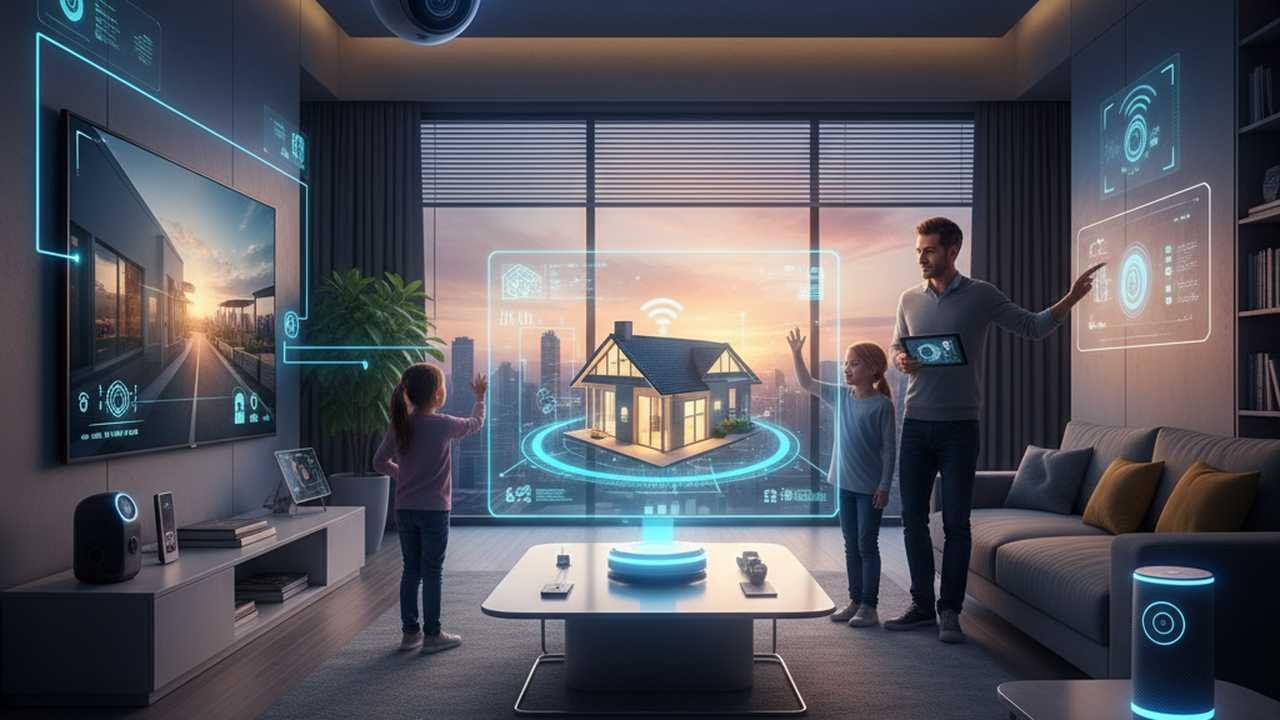
Imagine stepping into your home after a long day, and without lifting a finger, the lights brighten to your preferred setting, your favorite playlist fills the air, and the thermostat adjusts to the perfect temperature. This isn’t a scene from a futuristic movie – it’s the reality of today’s smart homes. As technology continues to evolve, smart home devices are not just enhancing convenience; they are revolutionizing safety, connectivity, and the way we interact with our living spaces.
In this comprehensive guide, we will delve into the transformative world of smart home technology, exploring how these innovations are reshaping our daily lives. From intelligent security systems that offer unprecedented protection to energy-efficient appliances that save both time and money, smart home devices are setting new standards for modern living. Whether you’re a tech enthusiast or someone looking to simplify your daily routines, understanding these advancements is crucial. The future is here, and it’s smarter than ever.
The Evolution of Smart Home Technology
The journey of smart home technology began with simple automation – think programmable thermostats and remote-controlled lights. Over the years, these devices have become more sophisticated, integrating advanced sensors, artificial intelligence, and machine learning to offer personalized experiences. Today, smart homes are characterized by interconnected devices that communicate seamlessly, creating an ecosystem that anticipates and responds to your needs.
One of the driving forces behind this evolution is the Internet of Things (IoT), which connects everyday objects to the internet, allowing them to send and receive data. This connectivity enables devices to work together in harmony, enhancing efficiency and user experience. For instance, smart refrigerators can monitor food inventory and suggest recipes based on available ingredients, while smart ovens can preheat remotely, ensuring your meal is ready when you are.
As these technologies continue to advance, the potential for smart homes is limitless. Innovations like voice-controlled assistants, facial recognition security systems, and AI-driven energy management are just the beginning. The integration of these technologies promises to make our homes more intuitive, responsive, and aligned with our lifestyles.
Enhancing Home Security with Smart Devices
Home security has always been a top priority for homeowners, and smart technology is taking it to new heights. Traditional security systems often rely on passive measures like alarms and locks. In contrast, smart security devices offer active, real-time protection that can prevent incidents before they occur.
Smart cameras equipped with motion detection and facial recognition can alert homeowners to potential intruders, while smart locks allow for remote access and monitoring. These devices can be controlled via smartphones, providing peace of mind whether you’re at home or away. Additionally, integration with other smart devices enables features like simulated occupancy, where lights and TVs turn on and off at random intervals to deter burglars.
Moreover, advancements in AI are enhancing the capabilities of smart security systems. Machine learning algorithms can analyze patterns and behaviors, identifying unusual activities and responding accordingly. This proactive approach not only improves safety but also reduces the likelihood of false alarms, ensuring that homeowners are alerted only when necessary.
Streamlining Daily Life with Smart Home Automation
Imagine your home adjusting to your preferences without you having to lift a finger. Smart home automation makes this possible by allowing devices to work together to create a personalized living environment. Through centralized control systems or voice assistants, homeowners can manage lighting, temperature, entertainment, and more with ease.
For example, smart lighting systems can adjust brightness and color based on the time of day or activities, creating the perfect ambiance for any occasion. Smart thermostats learn your schedule and adjust temperatures accordingly, ensuring comfort while optimizing energy usage. Entertainment systems can be synchronized to provide a seamless experience, whether you’re watching a movie or listening to music.
These automated systems not only enhance convenience but also contribute to energy efficiency. By optimizing the operation of devices based on usage patterns, smart home automation reduces waste and lowers utility bills. The ability to control and monitor devices remotely adds an extra layer of flexibility, allowing homeowners to make adjustments from anywhere at any time.
Improving Energy Efficiency with Smart Devices
Energy consumption is a significant concern for many households, both from an environmental and financial perspective. Smart home devices are addressing this issue by providing tools to monitor and manage energy usage effectively.
Smart meters and plugs can track the energy consumption of individual appliances, providing insights into usage patterns and identifying opportunities for savings. Smart thermostats adjust heating and cooling based on occupancy and preferences, reducing energy waste. Additionally, solar panels and energy storage systems can be integrated into smart homes, allowing for the use of renewable energy and further decreasing reliance on traditional power sources.
These energy-efficient solutions not only contribute to a greener environment but also result in cost savings for homeowners. With real-time monitoring and automated adjustments, managing energy consumption becomes more straightforward and less time-consuming. As the demand for sustainable living grows, smart home technologies are playing a pivotal role in shaping the future of energy use.
Integrating Smart Devices for Seamless Connectivity
The true power of smart home technology lies in the integration of devices to create a cohesive and responsive environment. Interoperability between different devices and platforms ensures that they can communicate and work together effectively.
Standards like Matter and Thread are facilitating this integration by providing a common language for devices to communicate, regardless of the manufacturer. This ensures that homeowners can mix and match devices from various brands without compatibility issues. For instance, a smart thermostat from one company can work seamlessly with smart lights from another, creating a unified system that enhances the user experience.
Additionally, cloud-based platforms and mobile applications allow for centralized control and monitoring of devices. Homeowners can set schedules, receive alerts, and make adjustments remotely, providing greater flexibility and control over their smart homes. The continuous development of these technologies promises even more advanced features and capabilities in the future.
Ensuring Privacy and Security in Smart Homes
While the benefits of smart home devices are numerous, they also raise concerns regarding privacy and security. The interconnected nature of these devices means that personal data is being collected and transmitted, making it essential to implement robust security measures.
Reputable manufacturers prioritize data protection by employing encryption, secure authentication methods, and regular software updates. Homeowners can further enhance security by using strong, unique passwords, enabling two-factor authentication, and regularly reviewing device settings and permissions.
It’s also important to be aware of potential vulnerabilities. Some devices may have outdated software or weak security protocols, making them susceptible to cyber threats. Staying informed about the latest security practices and being proactive in managing device settings can help mitigate these risks and ensure a safe and secure smart home environment.
The Future of Smart Home Technology
The landscape of smart home technology is rapidly evolving, with continuous advancements promising even more innovative solutions. Emerging trends include the integration of artificial intelligence for predictive analytics, enhanced voice recognition capabilities, and the development of more intuitive user interfaces.
Additionally, the expansion of 5G networks is expected to improve the performance and responsiveness of smart devices, enabling real-time communication and faster data processing. The proliferation of wearable technology and smart appliances will further integrate into the smart home ecosystem, creating a more connected and personalized living experience.
As these technologies continue to develop, the possibilities for smart homes are limitless. Homeowners can look forward to environments that are not only more efficient and secure but also more attuned to their individual needs and preferences. Embracing these innovations will be key to staying ahead in the ever-evolving landscape of smart home technology.
