
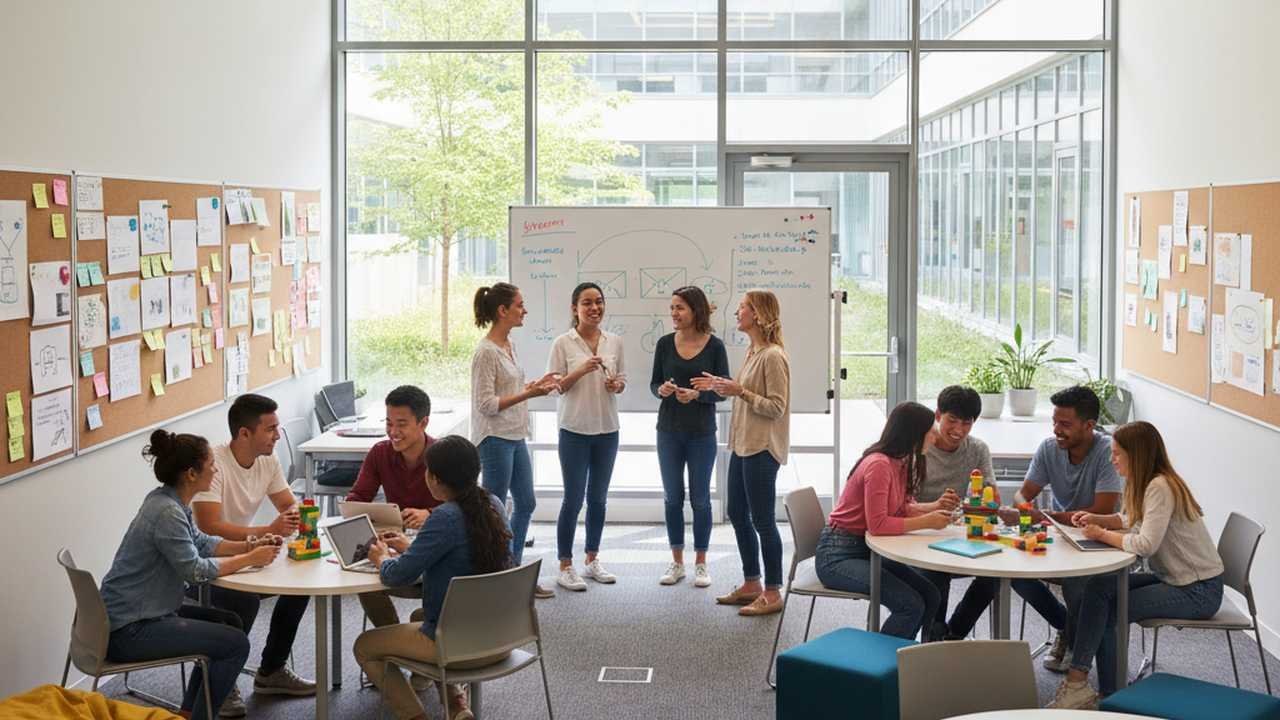
In the evolving landscape of education, the traditional classroom model is rapidly becoming obsolete. The demand for dynamic, interactive, and student-centered learning environments has never been more pressing. Educational facility design plays a pivotal role in shaping these environments, influencing how students engage, collaborate, and learn. This article delves into strategies that educational institutions can adopt to foster participation, collaboration, and active learning, ensuring that their facilities are not just spaces for instruction but hubs of innovation and engagement.
Designing Spaces That Inspire Engagement
The physical environment of a classroom significantly impacts student engagement. Traditional rows of desks facing a chalkboard are being replaced by flexible layouts that encourage movement and interaction. Modular furniture, writable walls, and movable partitions allow for quick reconfiguration, catering to various teaching methods and learning activities. Such designs empower students to take ownership of their learning space, fostering a sense of community and collaboration.
Incorporating natural light and open spaces can also enhance the learning experience. Studies have shown that exposure to natural elements can reduce stress and improve cognitive function. By integrating biophilic design principles, educational facilities can create environments that not only support learning but also promote well-being.
Implementing Technology to Facilitate Active Learning
Technology, when integrated thoughtfully, can be a powerful tool in promoting active learning. Interactive whiteboards, student response systems, and collaborative software enable real-time feedback and dynamic interaction between students and instructors. These tools facilitate a shift from passive reception of information to active participation, where students are co-creators of knowledge.
Furthermore, the use of learning management systems (LMS) allows for the seamless integration of digital resources, assignments, and assessments. This creates a blended learning environment where students can engage with content both in and outside the classroom, promoting continuous learning and collaboration.
Creating Collaborative Learning Zones
Collaboration is at the heart of active learning. Educational facilities are increasingly incorporating dedicated collaborative zones that encourage teamwork and peer learning. These spaces are equipped with resources that support group activities, discussions, and projects, providing students with the tools they need to work together effectively.
Designing these zones with acoustics in mind ensures that noise levels are manageable, allowing for productive conversations without distractions. Additionally, providing access to technology and materials within these spaces ensures that students have everything they need to collaborate efficiently.
Encouraging Student Autonomy Through Flexible Learning Spaces
Empowering students to take control of their learning is a key aspect of active learning. Flexible learning spaces allow students to choose how they engage with content, whether through independent study, group work, or hands-on activities. By providing a variety of learning environments within a single facility, institutions can cater to diverse learning preferences and promote self-directed learning.
Incorporating elements such as quiet zones, maker spaces, and areas for informal discussions provides students with the autonomy to select the environment that best suits their learning style, fostering a sense of responsibility and ownership over their educational journey.
Integrating Real-World Problem Solving
Active learning is most effective when students can apply their knowledge to real-world scenarios. Educational facilities can support this by integrating spaces designed for problem-based learning (PBL). These areas are equipped with resources that simulate real-world challenges, encouraging students to collaborate, think critically, and develop solutions to complex problems.
By bridging the gap between theoretical knowledge and practical application, PBL spaces prepare students for the challenges they will face in their careers and communities, ensuring that their learning is relevant and impactful.
Fostering a Culture of Continuous Improvement
Encouraging participation and collaboration is not a one-time effort but an ongoing process. Educational institutions should foster a culture of continuous improvement, where feedback from students and educators is actively sought and used to enhance the learning environment. Regular assessments of the effectiveness of learning spaces, coupled with a willingness to adapt and innovate, ensure that the facility remains responsive to the evolving needs of its users.
Creating avenues for students and faculty to share their experiences and suggestions can lead to meaningful changes that enhance the learning experience for all. This collaborative approach to facility management reinforces the institution’s commitment to active learning and continuous growth.
Ensuring Accessibility and Inclusivity
For active learning to be effective, it must be accessible to all students. Educational facility design must consider the diverse needs of the student population, including those with physical disabilities, sensory impairments, and other learning differences. Incorporating universal design principles ensures that all students can engage with the learning environment fully and equitably.
Providing clear signage, adjustable furniture, assistive technologies, and quiet spaces can make a significant difference in creating an inclusive environment. By prioritizing accessibility, institutions demonstrate their commitment to providing equal learning opportunities for every student.
Evaluating the Impact of Design on Learning Outcomes
To understand the effectiveness of educational facility design in promoting participation, collaboration, and active learning, institutions must engage in regular evaluation. This involves collecting data on student engagement, academic performance, and satisfaction to assess how well the learning environment supports educational goals.
By analyzing this data, institutions can identify areas for improvement and make informed decisions about future design initiatives. This evidence-based approach ensures that investments in facility design lead to tangible improvements in learning outcomes.
In conclusion, the design of educational facilities plays a crucial role in fostering participation, collaboration, and active learning. By creating environments that are flexible, inclusive, and equipped with the necessary resources and technologies, institutions can provide students with the tools they need to succeed in an increasingly complex and dynamic world. The time to invest in thoughtful, student-centered design is now – before the opportunity slips away.
