
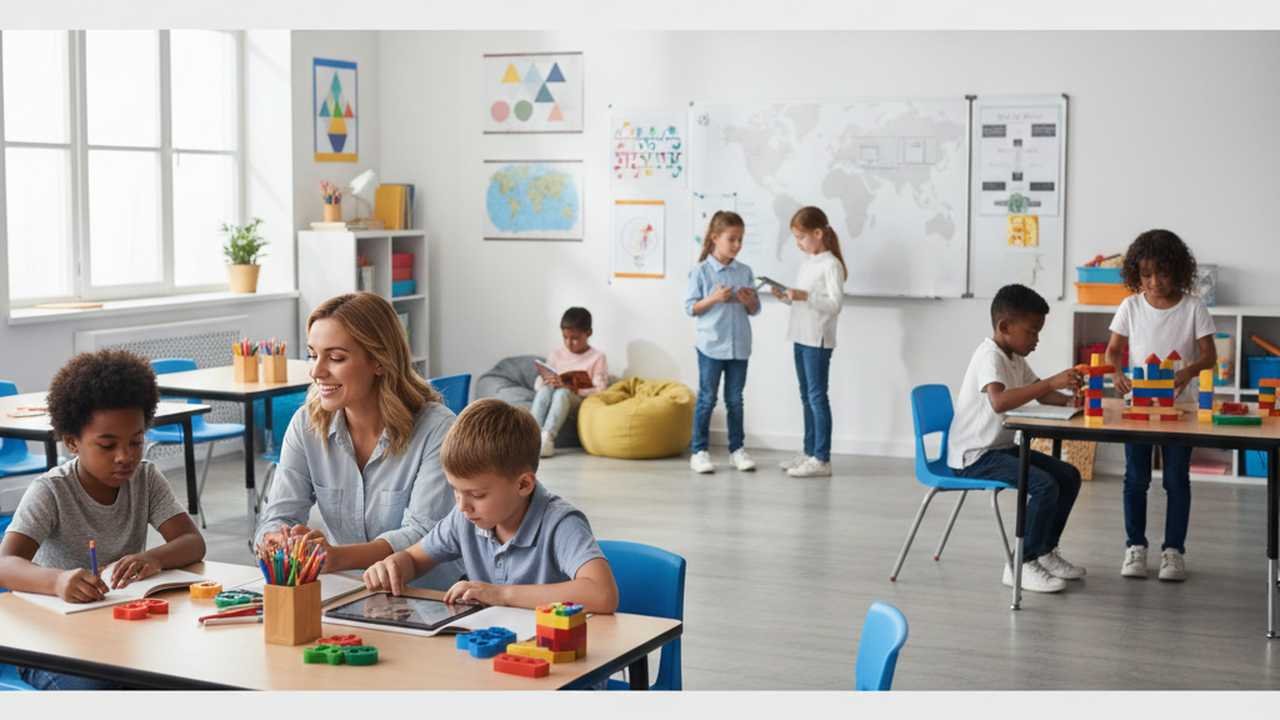
In today’s classrooms, the diversity of learners is more pronounced than ever. From varying learning styles to different cultural backgrounds, the traditional “one-size-fits-all” approach to teaching no longer suffices. Educators are now tasked with the challenge of maximizing each student’s education potential by tailoring instruction to meet individual needs. This shift not only enhances student engagement but also ensures that every learner has the opportunity to succeed. In this article, we will explore effective techniques for differentiating instruction, providing educators with practical strategies to create inclusive and dynamic learning environments.
Understanding Differentiated Instruction
At its core, differentiated instruction is about recognizing and addressing the diverse needs of students. It involves modifying content, process, product, and learning environment to cater to individual learning profiles. By doing so, educators can provide multiple pathways for students to access content, engage with material, and demonstrate understanding. This approach acknowledges that learners differ in readiness, interests, and learning profiles, and it seeks to provide appropriate challenges and support to maximize each student’s education potential.
Implementing differentiated instruction requires a deep understanding of each student’s strengths and areas for growth. Teachers can gather this information through formative assessments, observations, and student feedback. Once this data is collected, instruction can be tailored to provide appropriate levels of challenge and support. For instance, some students may benefit from enrichment activities that extend their learning, while others may require scaffolding to build foundational skills. By adjusting instruction in this way, educators can ensure that all students are engaged and progressing toward their full potential.
Flexible Grouping: A Dynamic Approach
One of the most effective strategies for differentiating instruction is flexible grouping. This involves organizing students into various groups based on specific learning objectives, interests, or abilities. Unlike static grouping, where students remain in the same group for extended periods, flexible grouping allows for dynamic collaboration and ensures that students are consistently challenged and supported in different ways.
Flexible grouping can take many forms. For example, students might work in pairs for a peer review session, in small groups for a project-based task, or as a whole class during a discussion. The key is to vary the groupings regularly to provide students with diverse perspectives and collaborative experiences. This approach not only fosters a sense of community but also allows students to develop a range of skills, from leadership to teamwork, all while enhancing their education potential.
Tiered Assignments: Meeting Diverse Needs
Tiered assignments are designed to provide varying levels of complexity on the same essential content, ensuring that all students are appropriately challenged. By creating tasks that differ in difficulty but align with the same learning objectives, educators can cater to the diverse readiness levels within a classroom.
For instance, in a history lesson, students might be tasked with analyzing a primary source document. Some students may be asked to identify key themes, while others might analyze the author’s perspective or compare the document to other historical texts. This tiered approach ensures that all students engage with the material at a level that is appropriate for their current understanding, thereby maximizing their education potential.
Utilizing Technology to Differentiate Instruction
Incorporating technology into the classroom offers numerous opportunities for differentiation. Digital tools can provide personalized learning experiences, allowing students to progress at their own pace and access resources that align with their interests and needs.
For example, educational software can adapt to a student’s proficiency level, offering more challenging tasks as they demonstrate mastery. Online platforms can also provide a wealth of resources, from interactive simulations to video tutorials, catering to various learning styles. By leveraging technology, educators can create a more inclusive learning environment that supports the diverse needs of their students and enhances their education potential.
Ongoing Assessment: Informing Instruction
Continuous assessment is vital in a differentiated classroom. By regularly evaluating student progress, educators can make informed decisions about instructional adjustments and interventions. This ongoing feedback loop ensures that instruction remains responsive to student needs and that all learners are supported in their journey toward achieving their full potential.
Assessments can take many forms, from quizzes and tests to observations and student reflections. The key is to use the data gathered to inform instruction, providing timely interventions and support where needed. This approach not only helps in identifying areas where students may be struggling but also highlights areas of strength, allowing for targeted enrichment opportunities.
Creating an Inclusive Learning Environment
An inclusive classroom environment is one where all students feel valued, respected, and supported. This atmosphere encourages risk-taking, fosters collaboration, and promotes a growth mindset. To create such an environment, educators must establish clear expectations, build strong relationships with students, and cultivate a culture of respect and inclusivity.
In an inclusive classroom, diversity is celebrated, and differences are seen as strengths. Educators can promote inclusivity by incorporating diverse perspectives into the curriculum, using culturally responsive teaching practices, and providing opportunities for all students to share their voices. This inclusive approach not only enhances student engagement but also ensures that every learner has the opportunity to reach their full education potential.
Professional Development: Enhancing Instructional Practices
Effective differentiation requires ongoing professional development. Educators must continually refine their instructional practices, stay informed about current research, and collaborate with colleagues to share strategies and resources. Professional development opportunities, such as workshops, conferences, and collaborative planning sessions, can provide educators with the tools and knowledge needed to implement differentiated instruction successfully.
By investing in professional development, schools can ensure that their educators are equipped to meet the diverse needs of their students. This commitment to continuous learning not only enhances instructional practices but also contributes to improved student outcomes, maximizing each student’s education potential.
Engaging Families in the Differentiation Process
Family involvement is crucial in supporting differentiated instruction. When families understand the goals and strategies of differentiation, they can reinforce learning at home and collaborate with educators to support their child’s development. Regular communication between home and school ensures that students receive consistent support and encouragement.
Educators can engage families by providing regular updates on student progress, offering resources for at-home learning, and inviting families to participate in school events and activities. By fostering strong partnerships with families, educators can create a network of support that enhances the learning experience and helps students reach their full education potential.
In conclusion, differentiating instruction is essential in today’s diverse classrooms. By implementing strategies such as flexible grouping, tiered assignments, and the use of technology, educators can create inclusive learning environments that cater to the unique needs of each student. Continuous assessment, professional development, and family involvement further support this process, ensuring that all students have the opportunity to achieve their full education potential. As educators, it is our responsibility to embrace these techniques and commit to providing every student with the personalized instruction they deserve.
