
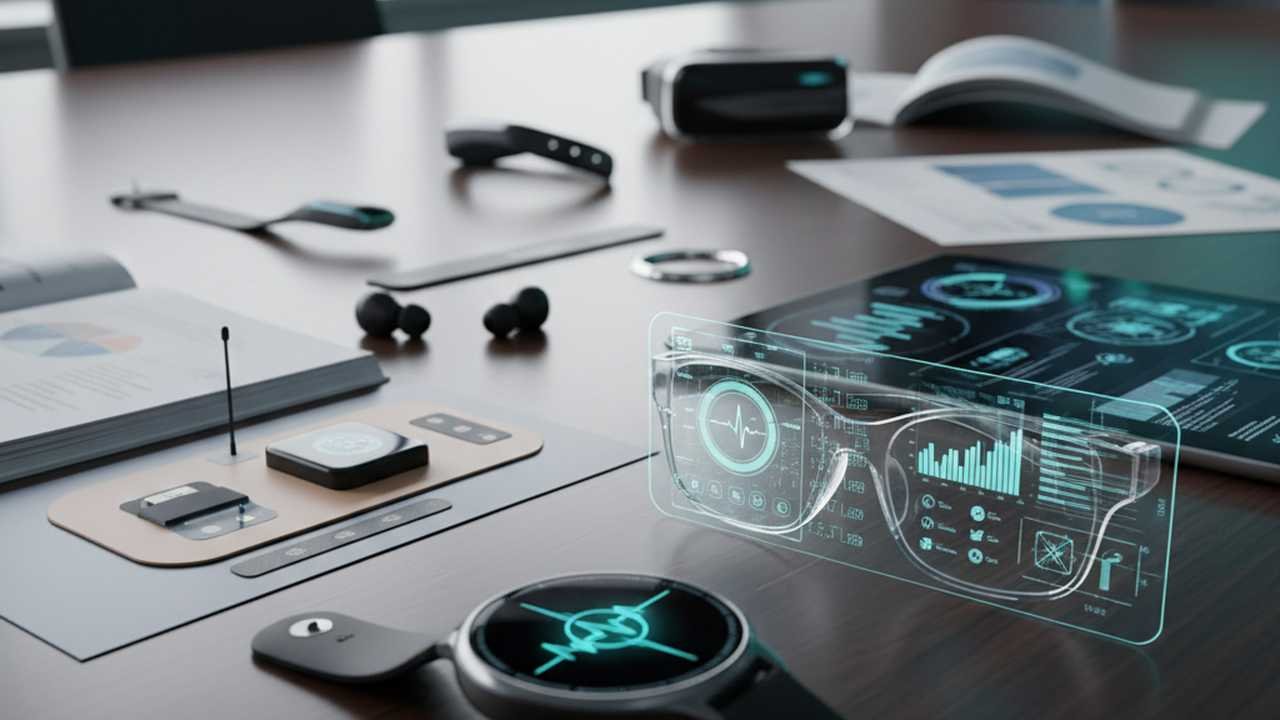
In the ever-evolving landscape of healthcare, wearable technology has emerged as a transformative force, revolutionizing how we monitor and manage our health. From smartwatches that track heart rate and sleep patterns to advanced biosensors capable of detecting glucose levels in sweat, the integration of technology into personal health is no longer a distant dream but a present reality. This article delves into the latest trends in wearable health monitoring, highlighting innovations that are not only enhancing individual well-being but also reshaping the future of healthcare delivery.
The Rise of Wearable Health Devices
The proliferation of wearable health devices marks a significant shift in the healthcare paradigm. No longer confined to specialized clinics, health monitoring has become a personal endeavor, accessible at the wrist or on the body. Devices like the Apple Watch Ultra 3 and Samsung Galaxy Watch 8 have set new standards, offering features that extend beyond basic fitness tracking. These wearables provide real-time insights into heart rate variability, blood oxygen levels, and even stress indicators, empowering users to take proactive steps in managing their health.
One of the most compelling aspects of these devices is their ability to deliver continuous monitoring. Unlike traditional methods that require periodic check-ups, wearables offer a constant stream of data, enabling users to detect anomalies early and make informed decisions. For instance, the integration of electrodermal activity sensors allows for the assessment of stress levels, providing a holistic view of an individual’s health status. This continuous feedback loop fosters a deeper understanding of personal health metrics, promoting a more engaged and informed approach to wellness.
Advancements in Non-Invasive Monitoring
Traditional health monitoring often involves invasive procedures that can be uncomfortable and inconvenient. However, recent advancements in wearable technology are shifting towards non-invasive methods, making health monitoring more accessible and user-friendly. Innovations such as the “lab-on-a-patch” developed by Nutromics exemplify this trend. This skin patch utilizes DNA-based biosensors to detect a range of health markers, eliminating the need for blood draws and offering a less intrusive alternative to conventional diagnostic methods.
Similarly, the development of wearable sweat sensors is paving the way for personalized health monitoring. These sensors analyze sweat to detect biomarkers related to hydration, glucose levels, and electrolyte balance. By providing real-time data on these parameters, users can gain insights into their body’s needs and make adjustments to their lifestyle accordingly. The non-invasive nature of these technologies ensures comfort and convenience, encouraging widespread adoption among users seeking to monitor their health without the discomfort associated with traditional methods.
Integration of Artificial Intelligence in Health Monitoring
The convergence of wearable technology and artificial intelligence (AI) is ushering in a new era of personalized healthcare. AI algorithms analyze the vast amounts of data collected by wearables to identify patterns and predict health outcomes. For example, Cardiogram’s deep learning platform processes data from wearables to detect conditions like sleep apnea, hypertension, and diabetes, often before symptoms manifest. This predictive capability allows for early intervention, potentially preventing the progression of these conditions.
Moreover, AI enhances the accuracy of health monitoring by filtering out noise and isolating relevant signals. In the case of heart rate monitoring, AI models can distinguish between true heartbeats and artifacts caused by movement, ensuring reliable readings even during physical activity. This integration of AI not only improves the precision of measurements but also enables the development of adaptive systems that can learn and evolve based on individual health data, offering a more tailored approach to healthcare.
Wearables in Chronic Disease Management
Chronic diseases such as diabetes, cardiovascular conditions, and respiratory disorders require continuous management and monitoring. Wearable devices are proving invaluable in this regard, offering real-time tracking of vital signs and enabling timely interventions. The Dexcom G7, for instance, provides continuous glucose monitoring, alerting users to fluctuations in blood sugar levels and facilitating better management of diabetes.
Similarly, the WHOOP 5.0 incorporates features like ECG and heart rate variability monitoring, aiding in the management of cardiovascular health. These devices not only track physiological parameters but also provide insights into recovery and stress levels, offering a comprehensive view of an individual’s health. By integrating such wearables into daily life, individuals with chronic conditions can achieve better control over their health, reducing the risk of complications and improving overall quality of life.
Impact on Preventative Healthcare
Preventative healthcare focuses on identifying and mitigating health risks before they develop into serious conditions. Wearable technology plays a pivotal role in this approach by providing continuous monitoring that can detect early signs of potential health issues. For example, the Oura Ring’s Symptom Radar feature analyzes changes in heart rate, temperature, and respiratory rate to identify early indicators of illness, allowing users to take precautionary measures promptly.
Furthermore, the integration of environmental sensors in wearables enhances preventative care by monitoring factors such as air quality, temperature, and humidity. Devices like Ultrahuman Home track indoor environmental conditions, providing users with data that can influence lifestyle choices and health outcomes. By combining physiological and environmental data, wearables offer a holistic approach to health, enabling users to make informed decisions that promote long-term well-being.
Challenges and Considerations
Despite the numerous benefits, the widespread adoption of wearable health technology presents several challenges. Data privacy and security remain paramount concerns, as the collection of sensitive health information necessitates stringent safeguards to protect user privacy. Additionally, the accuracy of measurements can be influenced by factors such as device calibration, user compliance, and environmental conditions, potentially impacting the reliability of data.
Moreover, the integration of wearables into healthcare systems requires careful consideration of interoperability and standardization. Ensuring that devices can communicate seamlessly with electronic health records and other medical technologies is crucial for effective utilization. Addressing these challenges requires collaboration among manufacturers, healthcare providers, and regulatory bodies to establish guidelines and frameworks that promote the safe and effective use of wearable health technology.
The Future of Wearable Health Technology
The future of wearable health technology is poised for continued innovation and expansion. Emerging trends include the development of multi-functional devices that combine various health monitoring capabilities into a single platform. For instance, future wearables may integrate features such as glucose monitoring, ECG, and stress tracking, providing users with a comprehensive health overview.
Advancements in materials science are also contributing to the evolution of wearable technology. Flexible and stretchable electronics enable the creation of comfortable and durable devices that can be worn continuously without discomfort. Additionally, the miniaturization of components allows for the development of discreet wearables that can be seamlessly integrated into daily life.
As these technologies advance, the potential for personalized and preventative healthcare becomes increasingly attainable. Wearables that offer real-time, individualized insights empower users to take control of their health, making informed decisions that enhance well-being and prevent disease. The integration of wearable technology into healthcare systems holds the promise of more efficient, accessible, and patient-centered care, heralding a new era in health management.
Conclusion: Embracing the Wearable Health Revolution
The integration of wearable technology into health monitoring represents a paradigm shift in how we approach healthcare. By providing continuous, real-time insights into various health parameters, wearables empower individuals to take proactive steps in managing their health. The advancements in non-invasive monitoring, artificial intelligence integration, and chronic disease management underscore the transformative potential of these devices.
As we look to the future, the continued evolution of wearable health technology promises to further enhance our ability to monitor, manage, and improve our health. Embracing these innovations offers the opportunity to not only respond to health issues but to anticipate and prevent them, leading to a healthier and more informed society. The wearable health revolution is here – are you ready to be a part of it?
If you’re an educator looking to stay updated on innovative tools, take advantage of the Quince educator discount to enhance your tech collection.
