
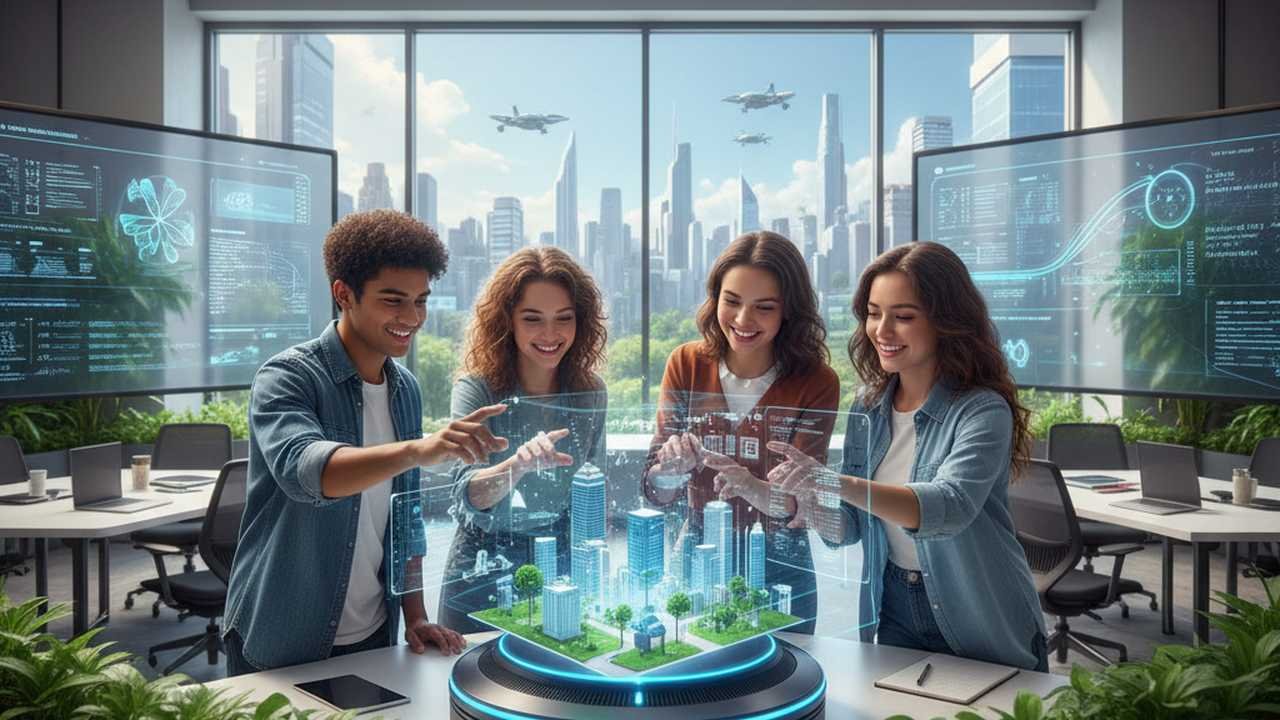
In a world where change is the only constant, the urgency to equip students with the skills and mindset to navigate future challenges has never been greater. Traditional teaching methods, while foundational, no longer suffice in preparing learners for the complexities of tomorrow’s world. The focus must shift towards fostering educational aspirations that inspire students to become adaptable, innovative, and resilient individuals. This article delves into the transformative power of innovative lessons and how they can shape students’ futures.
The Imperative of Future-Ready Education
Imagine a classroom where students are not mere recipients of information but active participants in their learning journey. This paradigm shift is essential as we move towards an era dominated by rapid technological advancements and global interconnectedness. Educators are now tasked with the monumental responsibility of preparing students for challenges that are yet to unfold. The key lies in nurturing educational aspirations that transcend traditional academic goals, encouraging students to envision and strive for a future where they are not just surviving but thriving.
Incorporating innovative teaching methods is no longer optional; it is a necessity. These methods go beyond rote memorization, emphasizing critical thinking, problem-solving, and creativity. By integrating real-world scenarios and interdisciplinary approaches, educators can create learning experiences that are both engaging and relevant. This approach not only enhances student motivation but also fosters a deeper understanding of the subject matter, aligning with the Sustainable Development Goal 4 of ensuring inclusive and equitable quality education and promoting lifelong learning opportunities for all.
Embracing Technology as a Catalyst for Change
Technology, when harnessed effectively, can revolutionize education. The integration of digital tools and platforms allows for personalized learning experiences that cater to the diverse needs of students. From interactive simulations to virtual reality environments, technology offers avenues for immersive learning that traditional methods cannot match. These tools enable students to explore complex concepts in a hands-on manner, fostering a deeper understanding and retention of knowledge.
Moreover, technology facilitates collaboration and communication among students, breaking down geographical barriers and promoting a global perspective. Online forums, collaborative projects, and digital portfolios encourage students to engage with peers worldwide, broadening their horizons and enhancing their cultural awareness. This interconnectedness is crucial in preparing students for a globalized workforce, where cross-cultural competence and digital literacy are paramount.
Project-Based Learning: Bridging Theory and Practice
One of the most effective ways to prepare students for future challenges is through project-based learning (PBL). This approach immerses students in real-world problems, requiring them to apply theoretical knowledge to practical situations. PBL fosters critical thinking, collaboration, and communication skills, all of which are essential in the modern workforce.
By working on projects that have tangible outcomes, students gain a sense of purpose and accomplishment. They learn to navigate challenges, manage time effectively, and work as part of a team. These experiences not only enhance academic skills but also build character and resilience, aligning with the core principles of educational aspirations that emphasize holistic development.
Fostering a Growth Mindset Through Innovative Lessons
Central to preparing students for future challenges is the cultivation of a growth mindset. This mindset encourages students to view challenges as opportunities for growth rather than obstacles. Innovative lessons that incorporate elements of gamification, adaptive learning, and formative assessments can promote this mindset by providing students with immediate feedback and opportunities for improvement.
For instance, platforms like Struggly offer gamified math challenges that reward persistence and problem-solving skills. These platforms create an environment where mistakes are viewed as learning opportunities, encouraging students to take risks and embrace challenges. By integrating such tools into the curriculum, educators can foster a classroom culture that values effort and perseverance, key components of a growth mindset.
Personalized Learning: Catering to Individual Needs
Recognizing that each student is unique, personalized learning approaches are crucial in addressing individual strengths and areas for improvement. By leveraging data analytics and learning management systems, educators can tailor lessons to meet the specific needs of each student, ensuring that no one is left behind.
Personalized learning not only enhances student engagement but also empowers learners to take ownership of their educational journey. When students see that their unique needs are being addressed, they are more likely to develop a sense of agency and motivation. This personalized approach aligns with the concept of educational aspirations, where students are encouraged to set and pursue goals that are meaningful to them.
Encouraging Critical Thinking and Problem-Solving Skills
In an era characterized by information overload and rapid technological advancements, the ability to think critically and solve problems is more important than ever. Innovative lessons that challenge students to analyze information, evaluate sources, and develop solutions to complex problems can enhance these skills.
Techniques such as inquiry-based learning, debates, and case studies encourage students to engage deeply with content and consider multiple perspectives. These activities promote analytical thinking and the ability to make informed decisions, skills that are essential in navigating the complexities of the modern world. By embedding these practices into the curriculum, educators can prepare students to tackle future challenges with confidence and competence.
Building Emotional Intelligence and Resilience
While academic skills are vital, emotional intelligence and resilience are equally important in preparing students for future challenges. Innovative lessons that incorporate social-emotional learning (SEL) can help students develop self-awareness, empathy, and coping strategies.
Activities such as role-playing, mindfulness exercises, and group discussions provide students with opportunities to explore and manage their emotions. These experiences not only enhance interpersonal relationships but also build resilience, enabling students to navigate setbacks and challenges effectively. By prioritizing SEL in the curriculum, educators can foster well-rounded individuals who are equipped to thrive in an ever-changing world.
Collaborating with Communities and Industry Partners
Preparing students for future challenges requires a collaborative approach that extends beyond the classroom. Partnerships with communities, industries, and organizations can provide students with real-world experiences and insights into various professions.
Internships, mentorship programs, and service-learning projects allow students to apply their learning in authentic contexts, bridging the gap between theory and practice. These collaborations also expose students to diverse perspectives and career paths, broadening their horizons and informing their educational aspirations. By fostering such partnerships, educators can create a network of support that enhances student learning and development.
Continuous Professional Development for Educators
For innovative lessons to be effectively implemented, educators must be equipped with the necessary skills and knowledge. Continuous professional development (CPD) ensures that teachers stay abreast of the latest educational trends, technologies, and methodologies.
CPD programs that focus on areas such as digital literacy, pedagogical strategies, and leadership skills can empower educators to create dynamic and engaging learning environments. By investing in the professional growth of teachers, schools can cultivate a culture of innovation that benefits both educators and students. This commitment to CPD reflects a dedication to fostering educational aspirations that inspire excellence and continuous improvement.
In conclusion, preparing students for future challenges through innovative lessons is not merely an educational strategy; it is a societal imperative. By embracing technology, fostering critical thinking, promoting emotional intelligence, and collaborating with communities, educators can equip students with the tools they need to navigate and thrive in an ever-evolving world. The time to act is now – because the future waits for no one.
If you want to unlock the full education potential of your students, exploring various techniques for differentiating instruction is essential.
